 |
| Some of the Japanese Gifts available at www.japanya.co.uk |

Friday, 24 October 2014
Some Japanese Gifts available at Japanya

Friday, 17 October 2014
Cotton Haori Jackets
 |
| Our Haori Jackets are suitable for wearing on top of Japanese or Western Clothing |
Click to find at Japanya
Thursday, 9 October 2014
Popular Kimono Motifs Part 5: The Chrysanthemum
 Images of the chrysanthemum or kiku are widely seen in Japanese culture with a 16 petal variety most famously being adopted by the imperial family as their mon family crest.
 |
| Japanese Earrings with Chrysanthemum Patterns |
The chrysanthemum was originally imported from China to Japan for its medicinal properties during the Nara period. As well as being a symbol of longevity, the chrysanthemum due to the orderly unfolding of it's petals, is regarded by many Japanese as a symbol of perfection .
The chrysanthemum motif is seen on many of Japanya's products including origami paper, furoshiki wrapping cloths, our own handmade earrings (coming soon) as well as two of our women's kimono gowns.
 |
| Japanese Yukata with Chrysanthemum and Plum Pattern |
 |
| Japanese Kimono with Colourful Chrysanthemum |
Saturday, 13 September 2014
A Kimono Gown For Your Special Day!
A Japanya kimono would make a wonderful keepsake gift for
a bride, her bridesmaids or other important members of the wedding part.
Our new range of Crane and Peony knee-length kimono wrappers are perhaps particularly suitable gowns to wear when getting ready for a your big day, as "crane couples" are believed to stay together for life and are symbols of fidelity!
Our new range of Crane and Peony knee-length kimono wrappers are perhaps particularly suitable gowns to wear when getting ready for a your big day, as "crane couples" are believed to stay together for life and are symbols of fidelity!
 |
| Crane and Peony Kimono Wrapper |
Friday, 29 August 2014
Some Popular Kimono Motifs Part 4: The Japanese Dragon
 |
| Dragon with three claws |
The Japanese dragon is a mythological creature popular in Japanese culture. It and other Oriental dragons, unlike their Western equivalents, are depicted as much more serpentine and are often associated with rain and water. Oriental dragons also lack wings but as magical beings were able to fly by magic. You can recognize a Japanese dragon by the number of claws it has, Japanese dragons having just three. The Japanese believed that all dragons originated in Japan and the further away from Japan you traveled the more claws the dragon would have (for instance Korean dragons are depicted with 4 claws!)
 |
| Namiryu or Sea Dragon |
Unlike the evil dragons of Western culture, Eastern dragons were seen as noble creatures with some even having roles as protectors. Their images are often seen as statues outside temples and shrines particularly in the form of water features.
Click here to view Japanya's dragon related products!
Wednesday, 27 August 2014
Some Popular Kimono Motifs Part 3: The Cherry Blossom
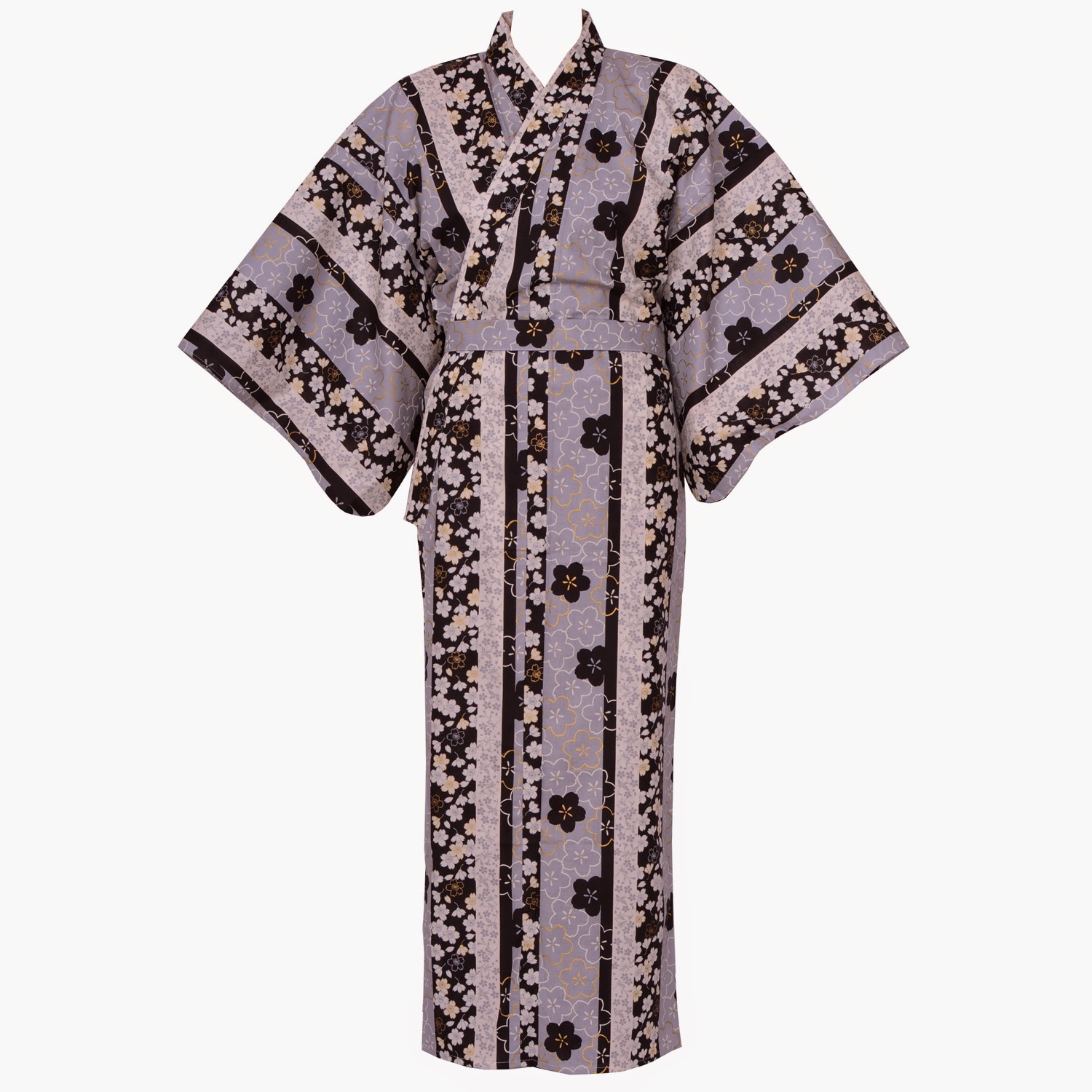 Flowers, a major feature of kimono design, are used to represent different seasons of the year. A kimono designed with cherry blossoms would traditionally be worn in spring or summer. (A kimono with a maple leaf design would be worn in the autumn and a kimono designed with bamboo, pine trees or plum blossoms would be worn in winter.)
 The cherry blossom or sakura, frequently depicted in Japanese Art and on Japanese goods, is perhaps one of the best known symbols of Japan. The significance of the beautiful but fragile cherry blossom goes back hundreds of years, with the cherry blossom season an annual visual reminder of a major theme in Buddhism that life is beautiful but only transient.
Click here to view some of our products that feature Cherry Blossom.
Monday, 25 August 2014
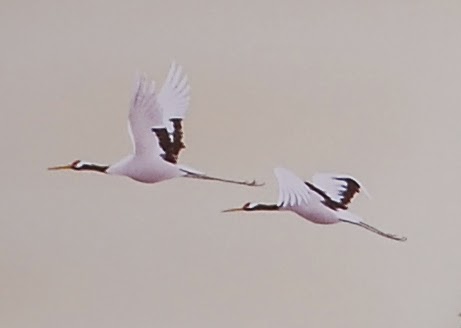
Some Popular Kimono Motifs Part 2: The Japanese Crane
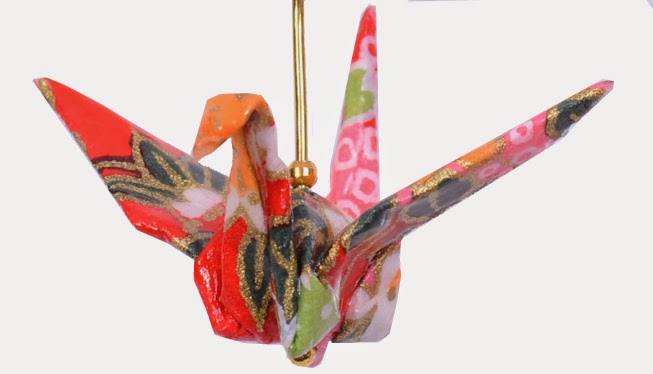 |
| Origami Crane Earring |
The origami crane (orizuru) is perhaps best known nowadays as a symbol of international peace. Its status as a symbol of peace derives from the story of Sadako Sasaki, a Japanese school girl living in Hiroshima, who was diagnosed with leukemia shortly after the end of World War II. Inspired by a Japanese legend, which promises anyone who folds a thousand origami cranes will be granted a wish, Sadaki set out to fold 1000 cranes in the hope of gaining health, happiness and world peace.
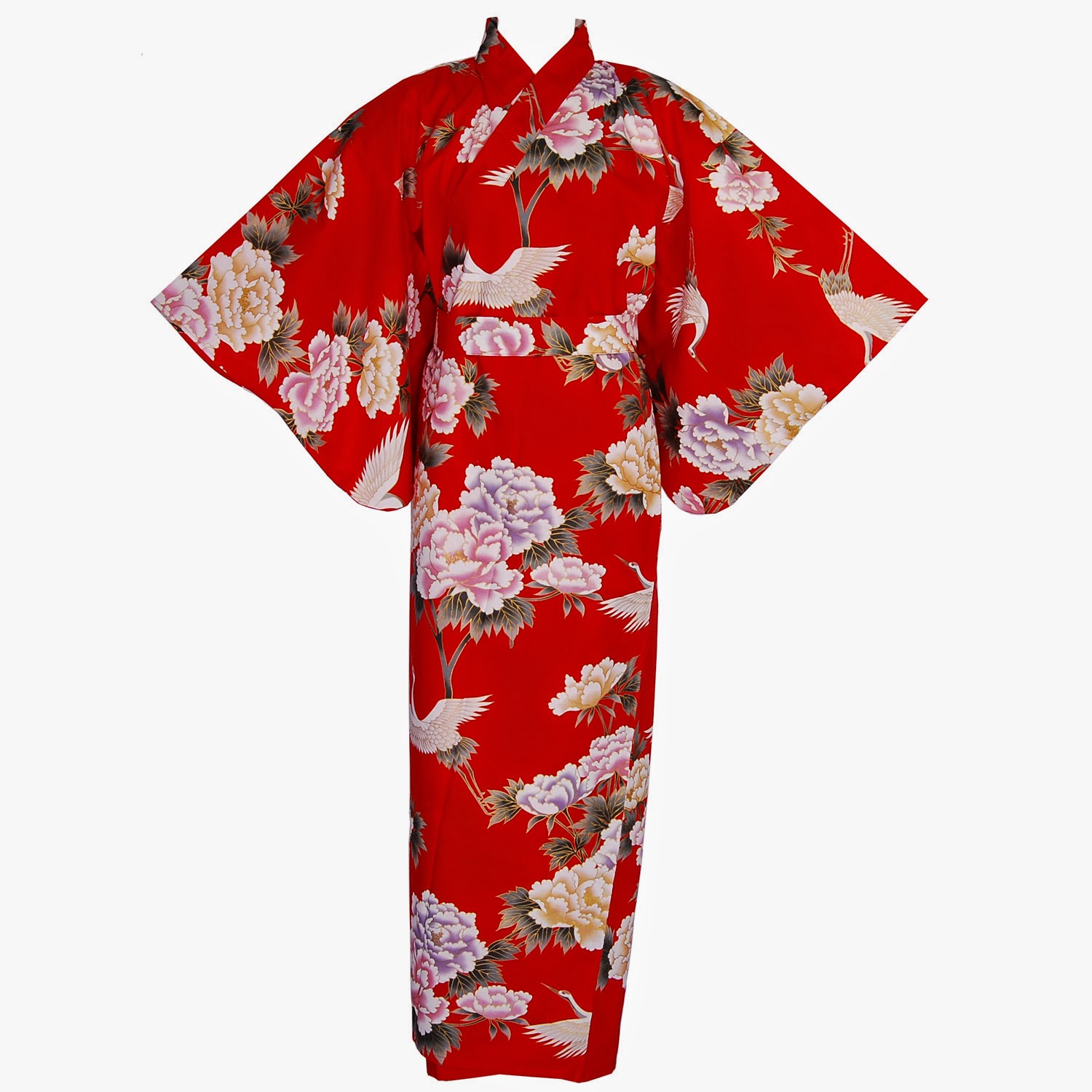
We have several products featuring cranes including kimono gowns, greetings cards and furoshiki wrapping cloths. In addition, you may like to try your hand at making an origami crane with some of our beautiful origami papers.
Subscribe to:
Posts (Atom)